
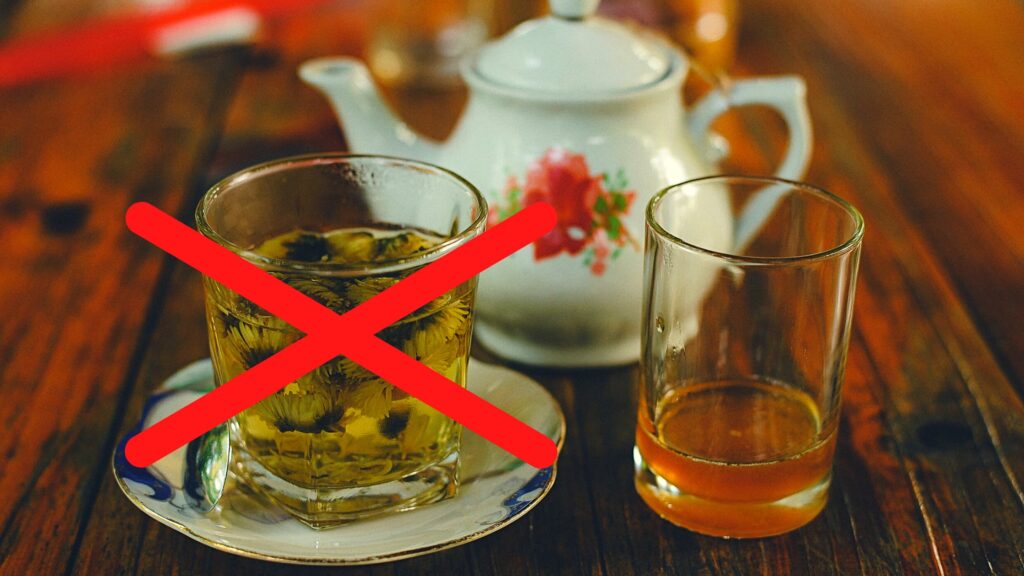
Knowing what not to eat when pregnant involves a little more than avoiding fast food and alcohol – herbs too are part of the equation.
Despite being completely natural, the innate ability of herbs to influence homeostasis are surprising. Whilst this may only affirm the viability of herbal remedies in general – not all herbs serve as the best food for pregnant woman. In fact, many herbs are outright dangerous while pregnant!
The harms of certain herbs during pregnancy cannot be over emphasized.
Take cinnamon, for example. Whilst this herb is highly useful for those with Type 2 diabetes, in excess, it may prove harmful for an unborn baby. Glycyrrhizin, glucocorticoids and coumarin are natural components of cinnamon. Fetal toxin exposure, harms to brain development, and the possible stimulation of premature labor are said to be the respective consequence of its high intake.
But remember that all herbs taken while pregnant do not fall have such radical harms. In fact, slippery elm and peppermint tea are well-known treatments for morning sickness. And red raspberry leaves are recommended by midwives for inducing childbirth.
As a general rule, however, Simon Y Mills (Director, Centre for Complementary Health Studies, University of Exeter) in The Essential Guide to Herbal Safety recommends limiting all medication intake for the first trimester – herbs included.
In this article, we list 52 herbs to avoid. Both the common and botanical name is included. The herbs are listed in three categories: herbs to avoid completely during pregnancy, those to avoid in regular or in high therapeutic doses, and those that need to be restricted in the final stages of pregnancy.
Here’s a List of 52 Herbs to Avoid to While Pregnant
Avoid Completely in Pregnancy
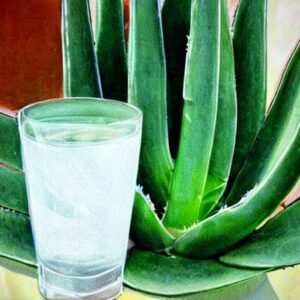
- Aloe – (Aloe Vera)
- Arborvitae – (Thuja occidentalis)
- Barberry – (Berberis vulgaris)
- Basil Oil – (Ocimum basilicum)
- Bugleweed – (Lycopus virginicus)
- Chamomile – (Matricaria recutita)
- Dang Gui – (Angelica polymorpha var. sinesis)
- Devil’s Claw – (Harpagophytum procumbens)
- Feverfew – (Tanacetum parthenium)
- Golden seal – (Hydrastis canadensis)
- Greater celandine – (Chelidonium majus)
- Juniper – (Juniperus communis)
- Lady’s mantle – (Alchemilla xanthochlora )
- Mistletoe – (Viscum album)
- Motherwort – (Leonurus cardiaca)
- Mugwort – (Artemisia vulgaris)
- Myrrh – (Commiphora myrrha)
- Pennyroyal – (Mentha pulegium)
- Pokeroot – (Phytolacca decandra)
- Rue – (Ruta graveolens)
- Shepherd’s purse – (Capsella bursa-pastoris)
- Southernwood – (Artemisia abrotanum)
- Tansy – (Tanacetum vulgare)
- Wormwood – (Artemisia absinthum)
Avoid Regular or in High Therapeutic Doses
- Angelica – (Angelica archangelica)
- Bitter orange – (Citrus aurentium)
- Cayenne – (Capsicum frutescens)
- Celery seed – (Apium graveolens)
- Cinnamon – (Cinnamomum zeylanicum)
- Cowslip – (Primula veris)
- Elder bark – (Sambucus nigra)
- Fennel – (Foeniculum vulgare)
- Fenugreek – (Trigonella foenum-graecum)
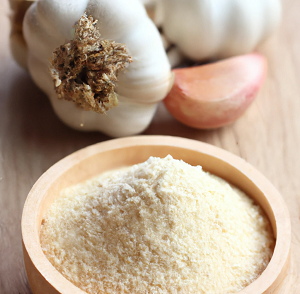
- Garlic – (Allium sativa)
- Korean ginseng –
- Lavender – (Lavendula angustifolia)
- Marjoram – (Origanum vulgare)
- Parsley – (Petroselinum crispum)
- Passion flower – (Passiflora incarta)
- Rhubarb – (Rheum palmatum)
- Senna – (Senna alexandrina)
- Sage – (Salvia officinalis)
- Thyme oils – (Thymus vulgaris)
- Vervain – (Verbena officinalis)
- Wild yam – (Dioscorea villosa)
- Yarrow – (Achillea millefolium)
- Yellow dock – (Rumex crispus)
Restrict Intake During the Final Stages of Pregnancy
- Black cohosh – (Cimicfuga racemosa)
- Blue cohosh – (Caulophyllum thalictroids)
- Raspberry – (Rubus idaeus)
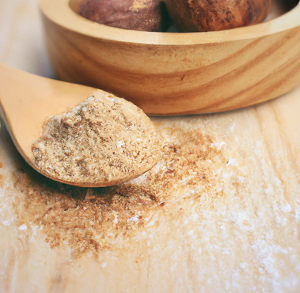
- Nutmeg – (Myristica fragrans)
- Wood betony – (Stachys officinalis)
0 Comments